ZM
Zarifa Mammadaliyeva
Founder
A high-school student in Baku. She started the project after learning how decisive the first minutes of a cardiac arrest are.
The first four minutes
When a heart stops, there is no time to wait for the ambulance. The only person there is you — and your hands are enough.
Dates of upcoming trainings — on Instagram →Why it matters
The brain without oxygen is measured in minutes, not hours. Only the person nearby can fill the gap until the ambulance arrives.
Every minute without help lowers the chance of survival by this much.
Bystander CPR increases the chance of survival by this much.
How long brain cells last without oxygen. After that, damage is permanent.
Most cardiac arrests happen at home, in front of family.
Learn the rhythm
Tap the pad, turn the sound on, and feel the tempo with your hands. In a real emergency you keep exactly this pace.
This does not replace training — but people who have felt the rhythm once do not forget it.
Your phone vibrates with the rhythm.
Three steps
No response, no normal breathing — call 103 or 112. Put the phone on speaker so your hands stay free.
Centre of the chest, straight arms, 5–6 cm deep, 100–120 times a minute. Do not stop until help takes over.
Send someone for an AED. The device talks you through it — you only have to listen.
From the ground
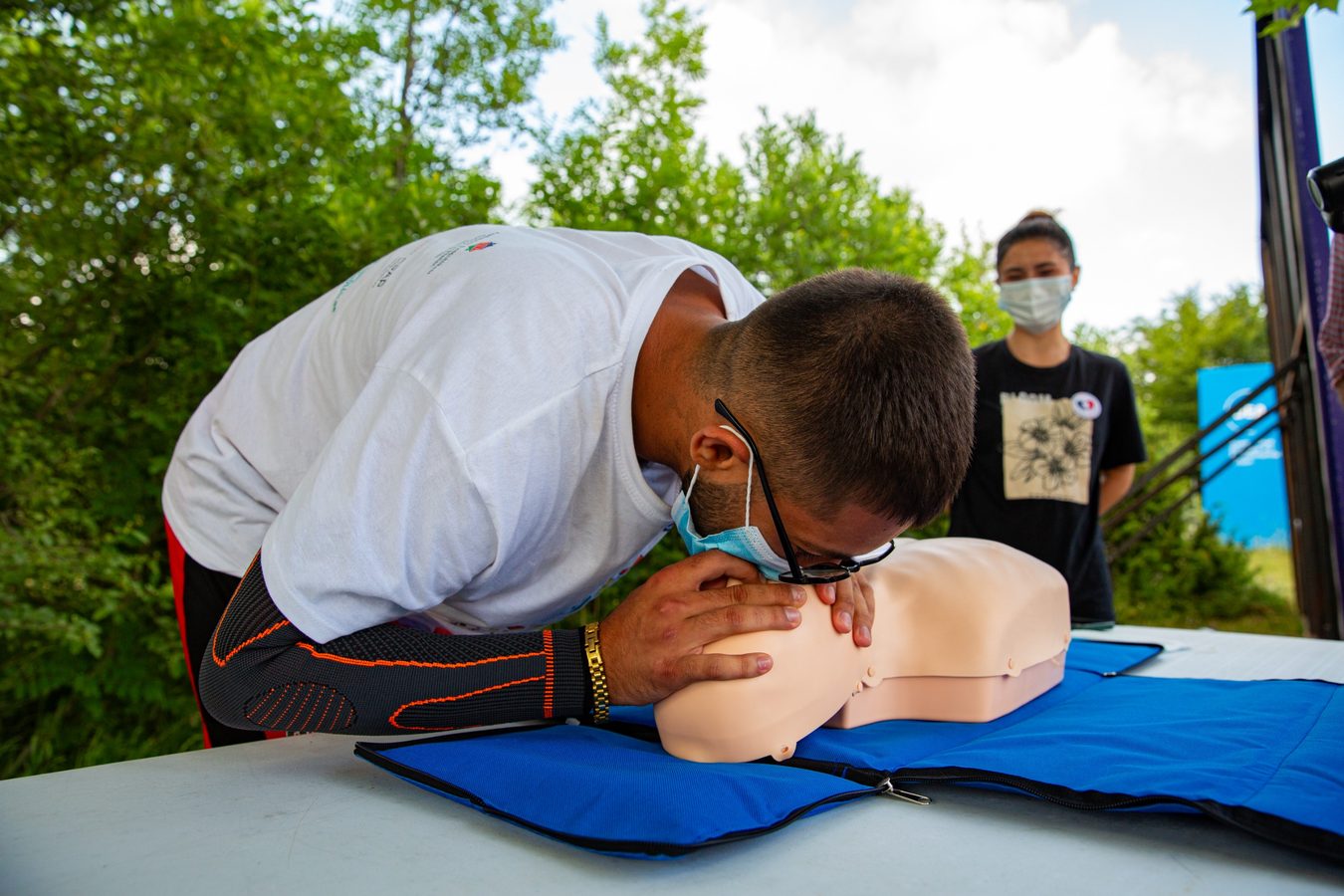
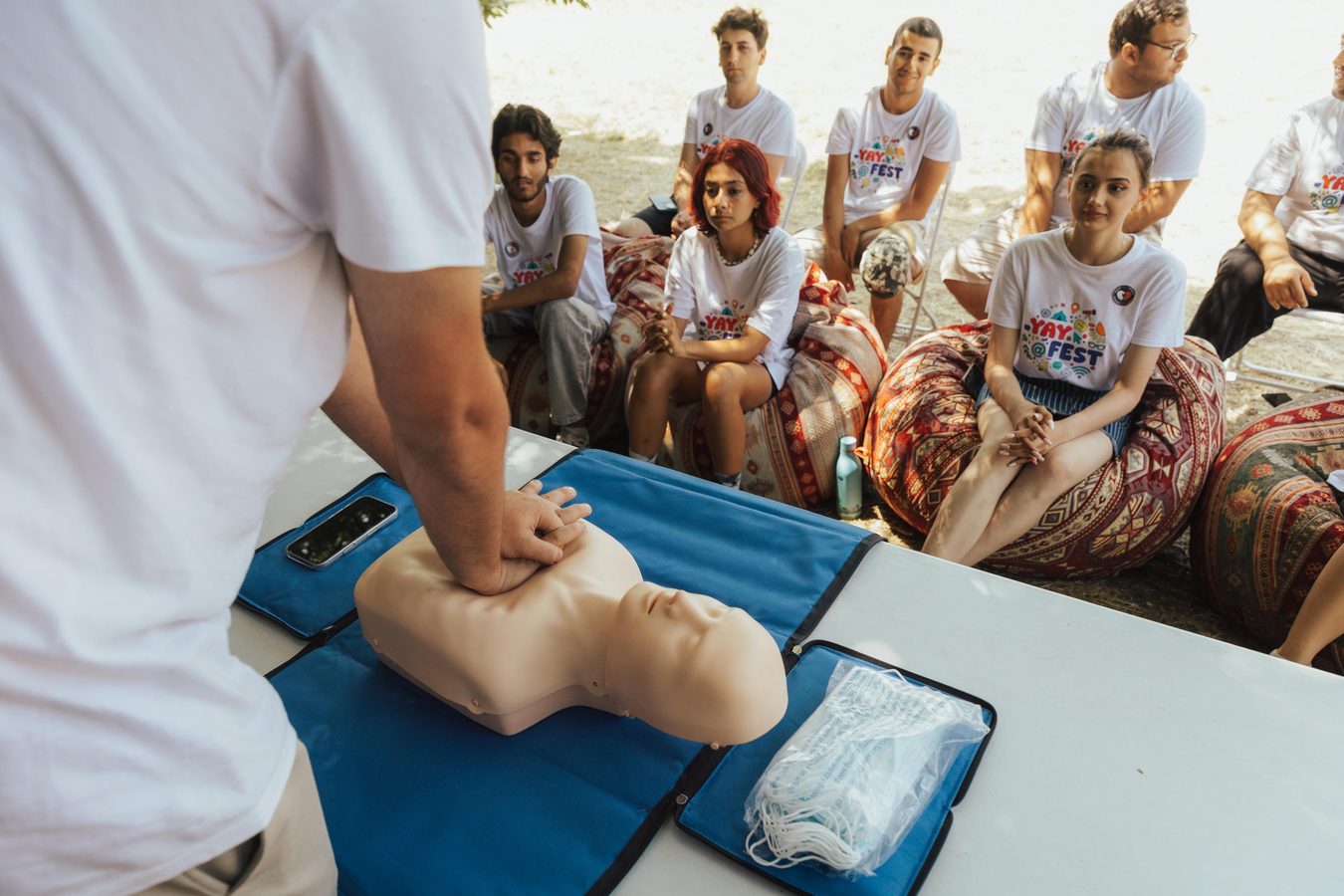
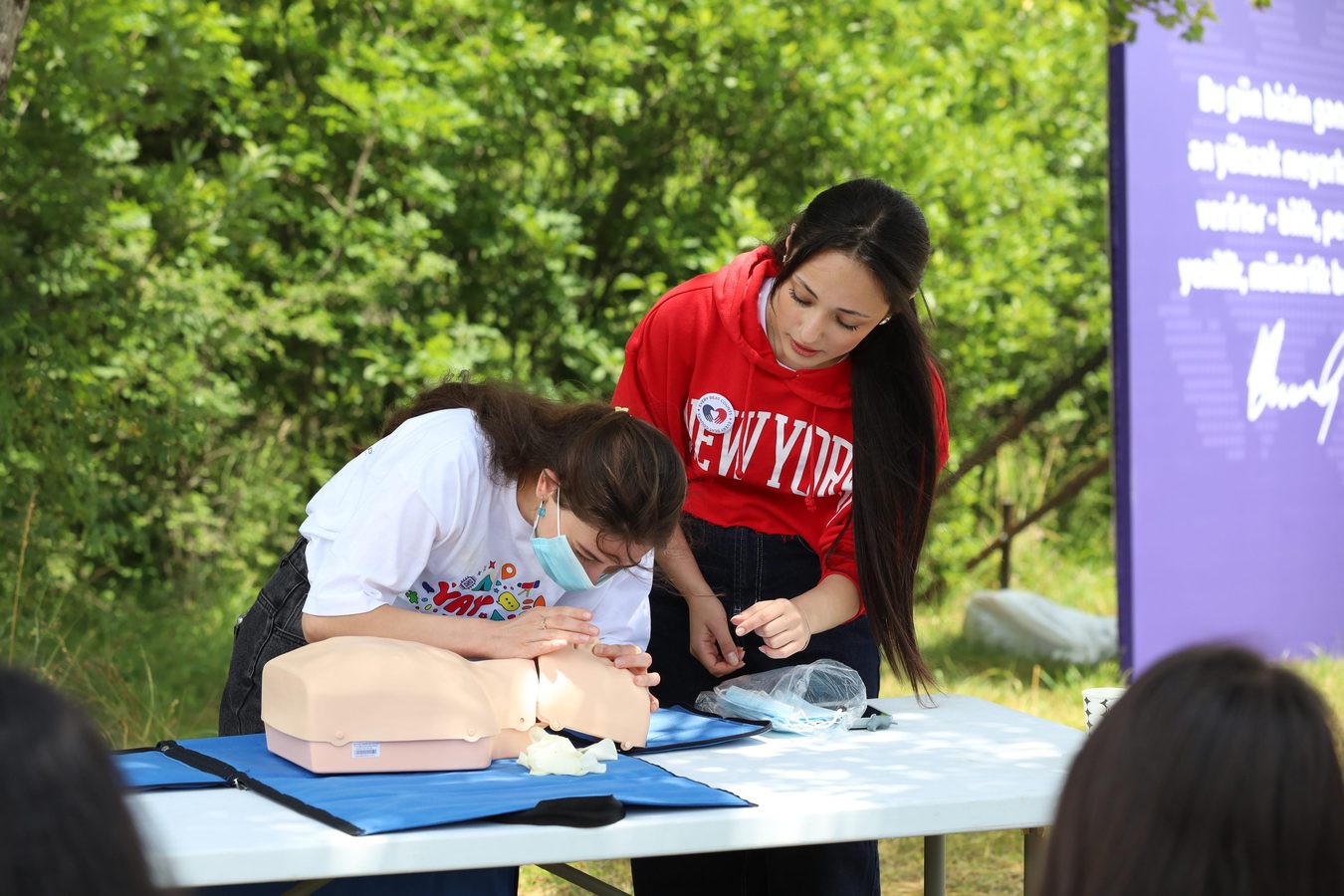
From our trainings at Yay Fest. Every hand is one more chance.
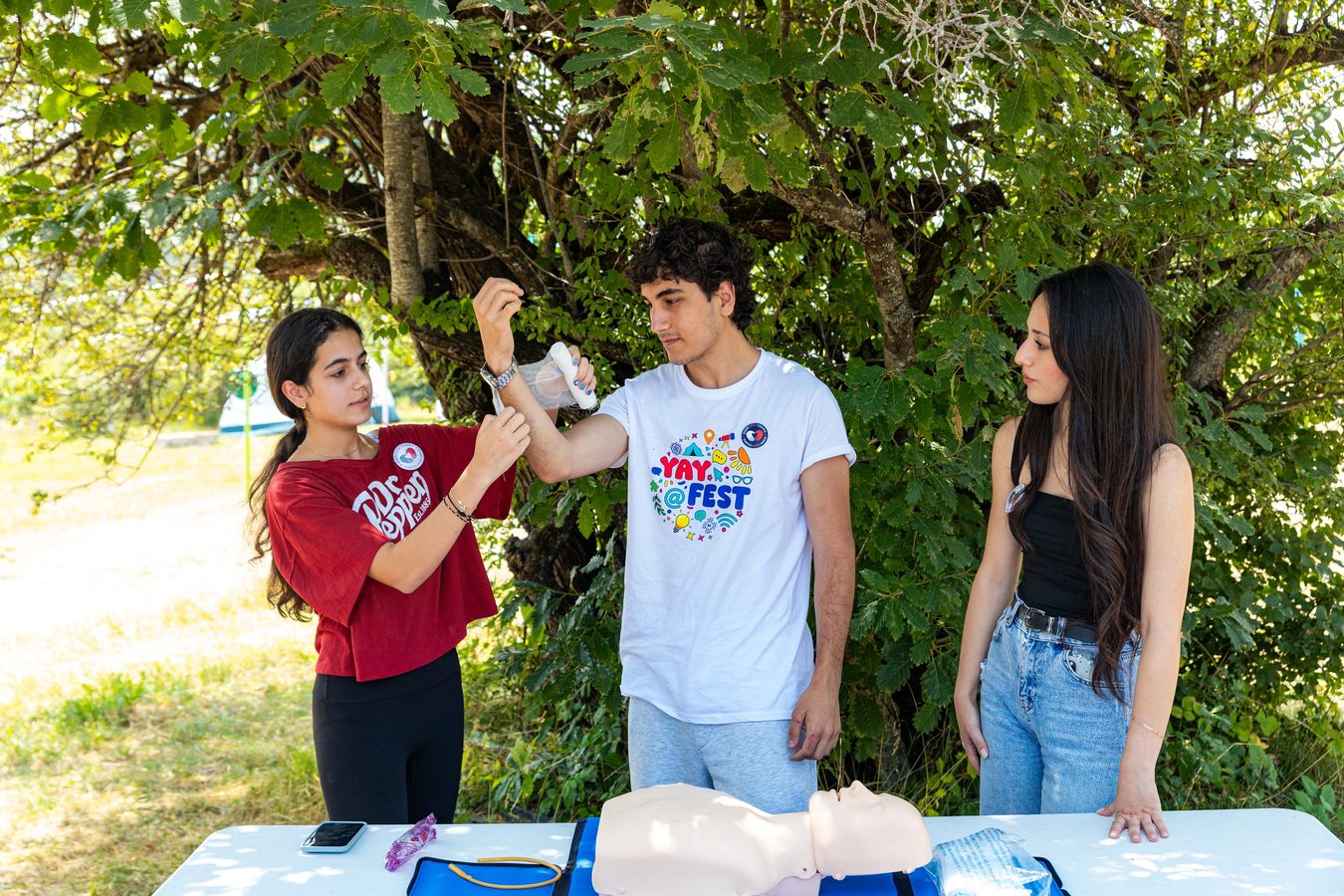
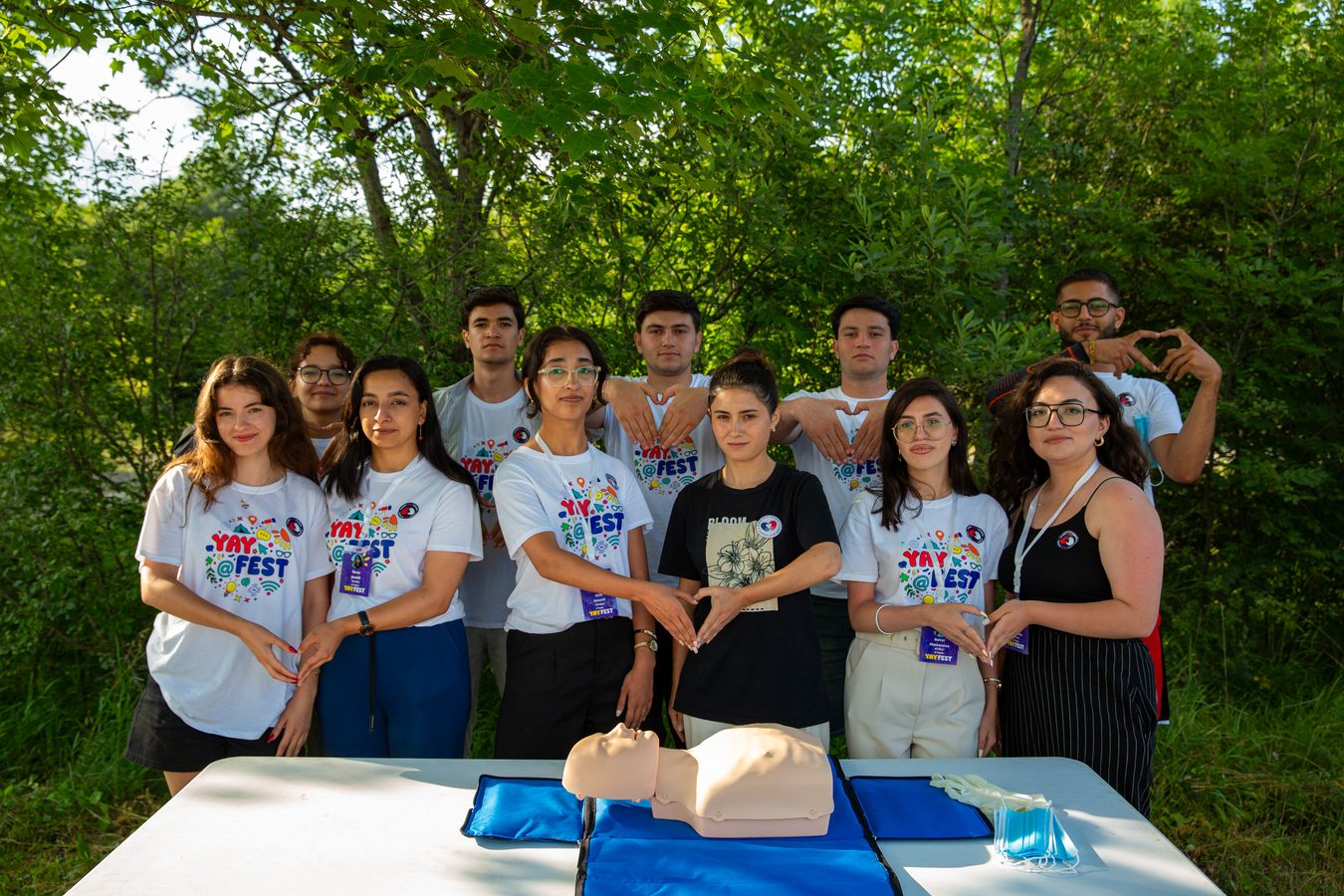
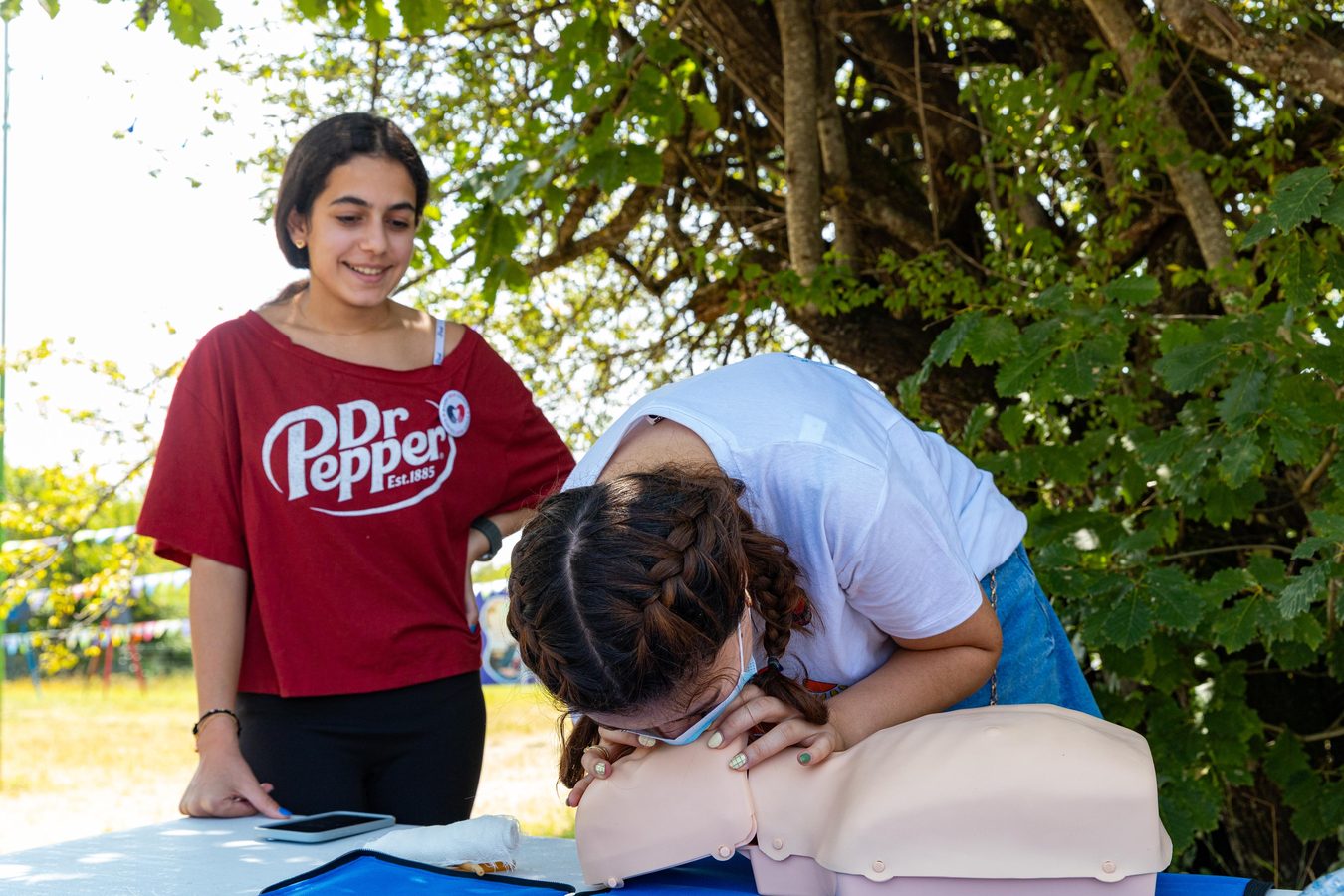
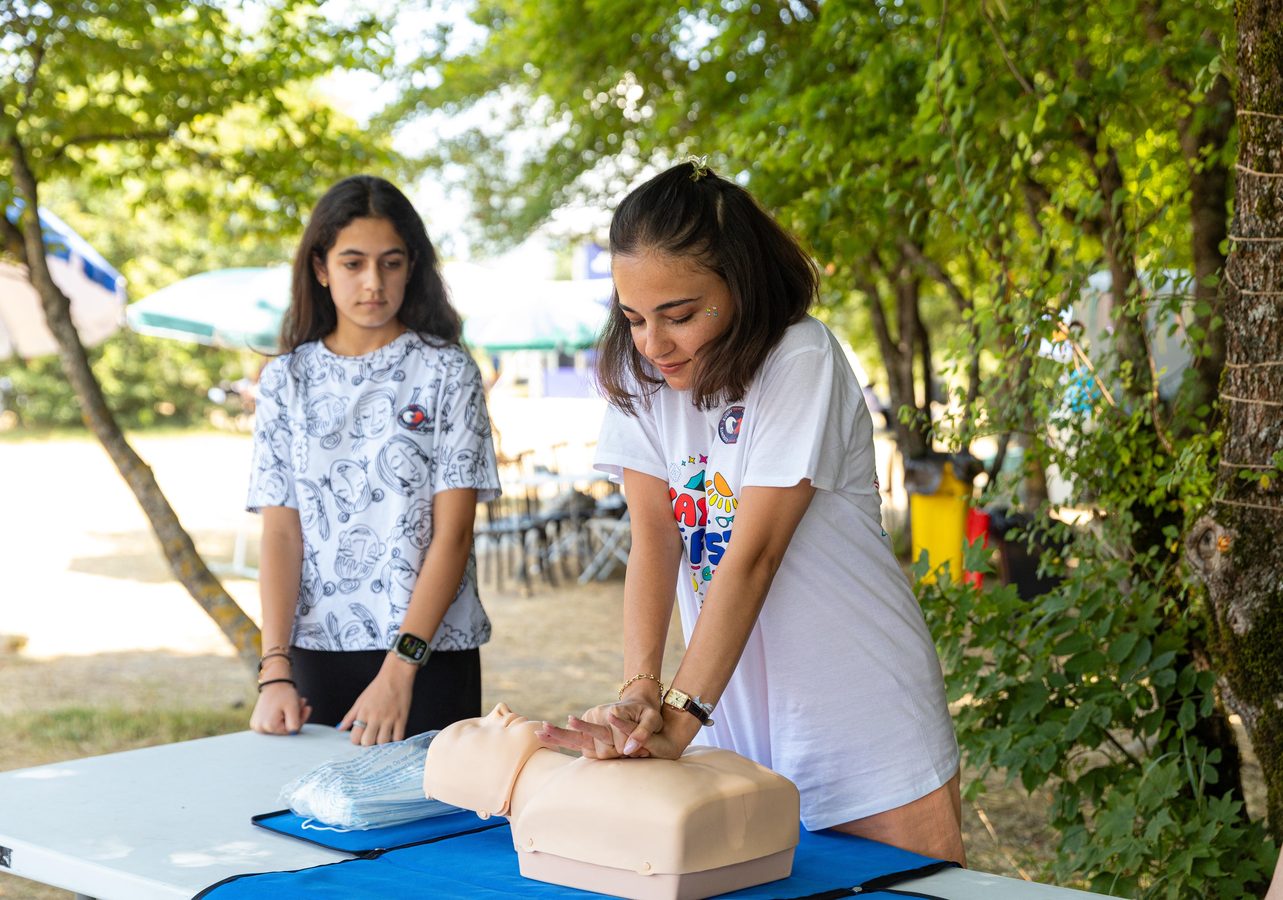
About the project
Every Beat Counts is an awareness initiative that aims to make CPR and first aid an ordinary skill. The goal is simple: in every school, every office, every courtyard, someone who knows how to begin.
The project was started in 2026 by Zarifa Mammadaliyeva, a high-school student in Baku. The training content follows international resuscitation guidelines (ERC, AHA).
The heart in our logo is made of two hands. That is not decoration: no one can save themselves.
The count
The number grows with every participant who earns a certificate. Each one of them can buy someone those first minutes.
If you attended a session, your certificate is waiting. Identify yourself to claim it.
Your identifying details are used only to confirm attendance and are never shared with third parties.
The team
A small team with a simple division of labour: someone teaches, someone organises, someone speaks.
A high-school student in Baku. She started the project after learning how decisive the first minutes of a cardiac arrest are.
Responsible for the content of the training programme.
Runs the sessions and trains new instructors.
Media, social channels and partner relations.
Join us
There are two ways in: learn it yourself, or help us teach it. Both matter.
A free, 90-minute hands-on session. No medical background needed — just show up.
You do not have to be a doctor. From teaching to translating — every skill has a place here.